
Is Dental Bonding in Richmond, TX, Right for You? Find Out Now
February 15, 2026Dental bonding offers a simple way to repair small flaws in your teeth without major work. Many people choose it when they want a fast fix for chips, cracks, or stains that show when they smile. If you wonder whether bonding is strong enough, how long it lasts, or if you are a good fit, this guide walks you through each step of Dental Bonding in Richmond, TX so you can decide with confidence.
What Is Dental Bonding?
Dental bonding uses a tooth-colored resin to gently change the shape, shade, or size of a tooth so it blends with your natural smile. The material bonds to your natural enamel after the surface is prepared and treated.
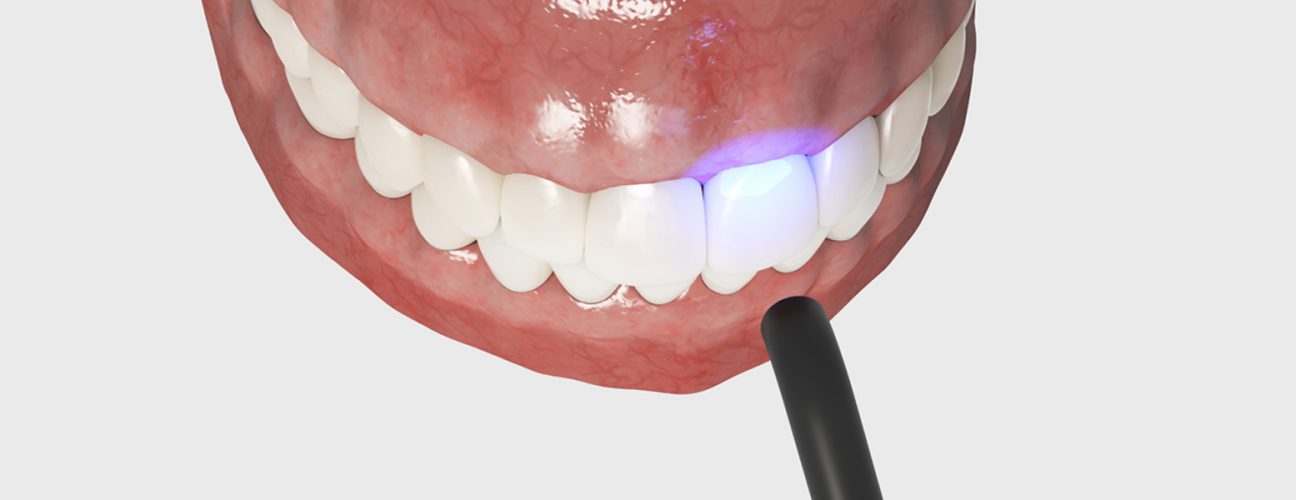
The resin is shaped on the tooth, then cured with a light that hardens it in place. After that, your dentist smooths and polishes the surface so it blends with nearby teeth. The goal is a natural look that feels like your own tooth.
Bonding is often done on front teeth, where small flaws are easy to see in photos and during conversation.
Common Dental Problems Bonding Can Fix
Dental bonding helps improve the look of teeth with small flaws. It can be a good choice for concerns such as:
- Small chips or worn edges on front teeth
- Hairline cracks that affect appearance
- Gaps or spaces between teeth
- Teeth that look shorter than the rest
- Mild discoloration that whitening does not improve
- Slightly uneven tooth shape
If you search for dental bonding near you, you will see it listed as a good option when the tooth is still healthy but looks out of balance with your smile. It is not meant to replace crowns or root canal care, but it can improve the look of teeth that function well.
Who Is an Ideal Candidate for Dental Bonding?
You may be a strong candidate for bonding if:
- Your teeth and gums are in good health
- You have small chips, stains, or gaps
- You want a quicker solution than veneers or crowns
- You prefer a procedure that keeps most of your natural enamel
- You understand that bonding may not last as long as porcelain
A skilled dentist in Richmond, TX, can examine your teeth, listen to your goals, and explain how bonding would look in your case. Many adults choose bonding after life events such as starting a new job, planning a wedding, or wanting to feel more at ease in photos.
Who Should Consider Other Options?
Dental bonding is not the best choice for every situation. You may need a different treatment if:
- The tooth has a large fracture or deep decay
- You grind or clench your teeth with force
- You want a dramatic change in color for many teeth
- You have very dark staining across the entire tooth surface
In some situations, your dentist may recommend veneers, crowns, orthodontic treatment, or even whitening as a better first step before cosmetic enhancements. A dentist near you will review each option so you can weigh cost, durability, and how much tooth structure needs to be removed.
What to Expect During the Dental Bonding Procedure
Most bonding visits follow a simple sequence:
- Exam and shade selection: Your dentist checks the tooth and chooses a resin shade that matches your smile.
- Tooth preparation: The surface of the tooth is cleaned and etched to create a grip for the bonding material. In many cases, no anesthesia is needed because little or no enamel is removed.
- Placement and shaping: Soft resin is placed on the tooth in thin layers. The dentist shapes and contours it to match the tooth next to it.
- Curing with light: A special light hardens the resin. This step bonds the material to the enamel.
- Polishing and bite check: The surface is smoothed and polished so it reflects light like natural enamel. Your bite is checked to ensure the tooth feels comfortable when you close your mouth.
From start to finish, a single tooth often takes under an hour, depending on the amount of contouring needed.
How Long Does Dental Bonding Last?
Dental bonding can last several years with good care. Many patients enjoy results for about 5–7 years, sometimes longer. Longevity depends on:
- Where the bonding is placed on the tooth
- Your bite and any grinding habits
- Diet and staining from coffee, tea, or tobacco
- Home care and regular cleanings
Bonding can show wear or stain more easily than porcelain options, so it may need touch-ups over time. The good news is that small chips can often be repaired without replacing all of the material.
To protect your bonded teeth, your dentist may suggest:
- Wearing a nightguard at night can protect bonded teeth if you tend to grind
- Avoiding chewing ice, pens, or hard candy
- Brushing twice a day and flossing once a day
- Scheduling routine checkups so small issues are caught early
Why Choose Elegant Dental Richmond for Dental Bonding?
Under the guidance of Dr. David Wang, patients receive careful evaluation before any cosmetic work begins. The focus is on health first, then appearance. Bonding is recommended only when it fits your long-term goals.
At each visit, the team explains what they see on your exam, shows you shade options, and talks through how bonding compares with veneers or crowns. This helps you decide whether a quick cosmetic fix or a more durable solution makes sense for your lifestyle.
Choosing a practice that listens, explains, and customizes treatment gives you more control over your smile journey.
Final Verdict: Is Dental Bonding in Richmond, TX, Right for You?
Dental bonding can be a smart choice if you have minor cosmetic concerns, want a same-day solution, and prefer a conservative approach that preserves most of your natural tooth. If your goal is to smooth a chip, close a small gap, or brighten one or two teeth, bonding may give you the result you want without extensive treatment.
If you have more serious damage, heavy wear, or many teeth in need of change, your dentist may guide you toward options with greater strength and stain resistance. The best way to decide is to schedule an exam, share what you hope to change, and ask to see before-and-after examples for cases like yours.
If you’re considering bonding and want guidance from a local team, you can review the full service details on the Elegant Dental Richmond dental bonding page.
Author's Bio
With advanced training and an artistic eye, both dentists offer a wide range of cosmetic treatments tailored to each patient’s goals. Dr. Horani’s natural skill in enhancing smiles and Dr. Wang’s precision-based planning allow them to deliver beautiful, balanced results. They blend modern techniques with compassionate communication to help patients feel confident in every step of their smile transformation.

Dr. Moiz Horan
DDS